
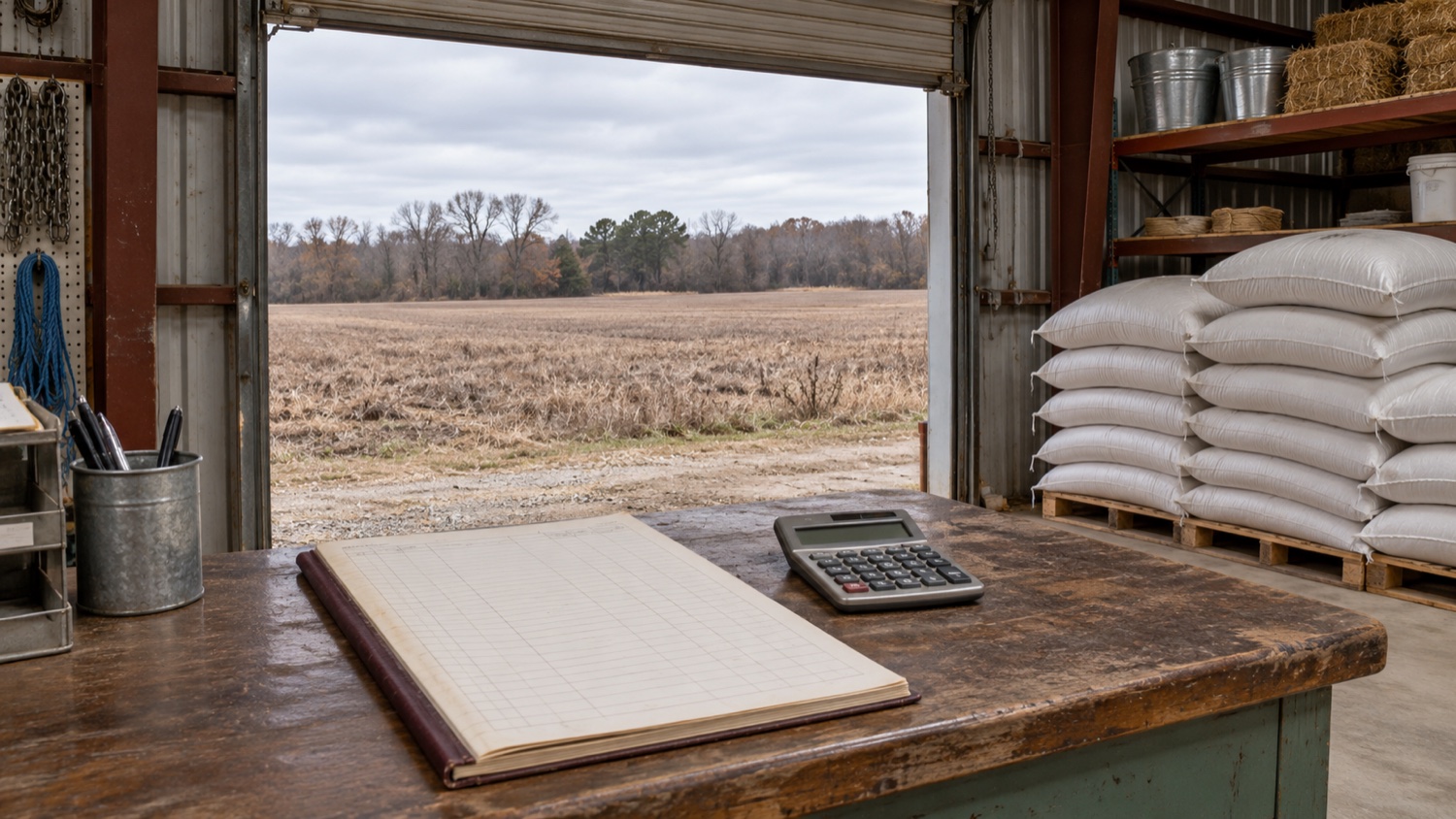
Small businesses and private nonprofits in 10 northern Mississippi counties can apply for federal working-capital loans if the drought that began Aug. 18 left them unable to meet ordinary expenses. The Mississippi Emergency Management Agency announced the loan availability on Tuesday, Nov. 24, pointing applicants to the U.S. Small Business Administration. Farmers and ranchers in those same counties have a separate route through the U.S. Department of Agriculture.
The SBA lists Alcorn, Benton, Marshall and Tippah as the primary Mississippi counties and DeSoto, Lafayette, Prentiss, Tate, Tishomingo and Union as eligible neighboring counties. Its fact sheet for declaration 22055, dated Nov. 3, says the business must be in the declared area and the economic injury must stem directly from the drought. Small agricultural cooperatives, nurseries and small aquaculture businesses can qualify under the program’s rules. SBA evaluates the applicant’s ability to repay and generally caps loans at $2 million, with the actual amount tied to the documented injury and reduced by insurance or other recoveries.
The Farm Service Agency’s separate drought notice lists the same 10 Mississippi counties and the same July 6, 2027, filing deadline. The difference is what the money can pay for. A qualifying producer can seek USDA emergency credit to replace essential equipment or livestock or refinance certain debts. An eligible business applying to SBA for drought-related operating costs cannot use the loan to refinance long-term debt. SBA’s fact sheet directs farmers and ranchers away from its program, so a producer and a farm supplier in the same county may need different applications.
DeSoto County was still coping with drought in the Nov. 17 monitoring update, as DeSoto County News reported. The loan documents use the drought that began in August as their reference, so later rain does not change the question applicants need to answer: which losses or unpaid operating costs resulted from that drought? Businesses and nonprofits can start at the SBA disaster assistance portal. Producers can contact their local USDA Service Center through the Farm Service Agency notice.